 Dharma Quest
Bhishma’s Mighty Vow
भीष्म पितामह की भीष्म प्रतिज्ञा
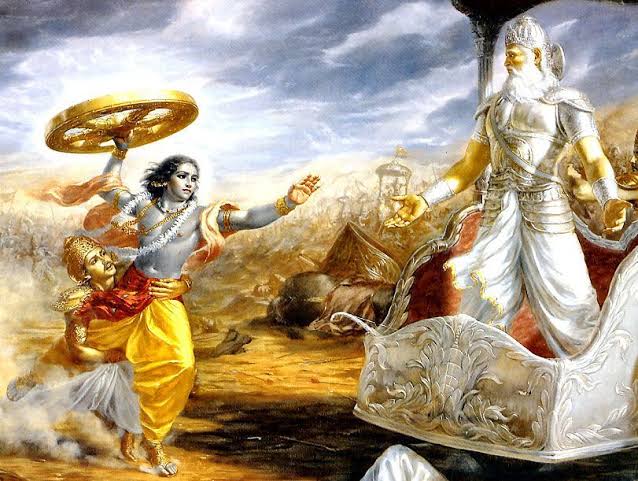
Prince Devavrata takes a supreme vow of lifelong celibacy and sacrifice for his father’s happiness, earning the divine name Bhishma.
Long ago in the radiant kingdom of Hastinapur, King Shantanu ruled with justice and wisdom. His eldest son was Prince Devavrata, the divine son of Goddess Ganga. Devavrata was not only unmatched in archery and warfare, but was also deeply devoted to his father and beloved by all citizens as the rightful heir to the throne.
One evening, King Shantanu met Satyavati, the virtuous daughter of a chieftain, and fell in love with her. However, Satyavati’s father placed a heavy condition: "My daughter shall marry you only if her future son is crowned King of Hastinapur." King Shantanu returned to his palace disheartened, unwilling to deprive his rightful son Devavrata of his birthright.

The Supreme Sacrifice
Observing his father’s silent grief, Devavrata personally visited Satyavati’s home. When the chieftain repeated his demand, Devavrata unhesitatingly renounced his claim to the throne. But Satyavati’s father raised another concern: "You may step aside, Prince, but what if your future children claim the crown from my daughter's children?"
Standing tall before the heavens, Devavrata raised his hand and uttered a formidable, thunderous vow: "From this moment on, I shall remain a lifelong celibate (Brahmachari) and shall never marry or have children. I pledge my allegiance to serve and protect the throne of Hastinapur forever!"
The sky resounded with celestial drums and flowers rained from above as gods chanted: "Bhishma! Bhishma!" (meaning *He who has taken a terrible, heroic oath*). Deeply moved by his son's sacrifice, King Shantanu granted Bhishma the divine boon of Iccha Mrityu—the power to choose his own moment of death.
हिंदी में पढ़ें: भीष्म पितामह की भीष्म प्रतिज्ञा
राजकुमार देवव्रत ने अपने पिता के सुख के लिए आजीवन ब्रह्मचर्य और त्याग की कठोर प्रतिज्ञा ली, जिससे वे 'भीष्म' कहलाए।
बहुत समय पहले हस्तिनापुर के प्रतापी राजा शांतनु राज्य करते थे। उनके ज्येष्ठ पुत्र देवव्रत थे, जो देवी गंगा के दिव्य पुत्र थे। देवव्रत न केवल शस्त्र और शास्त्र विद्या में निपुण थे, बल्कि प्रजा और पिता के अत्यंत प्रिय राजकुमार थे।
एक दिन राजा शांतनु को सत्यवती नाम की कन्या से प्रेम हो गया। परंतु सत्यवती के पिता ने शर्त रखी: "मैं अपनी पुत्री का विवाह आपसे तभी करूँगा जब सत्यवती का पुत्र ही हस्तिनापुर का भावी राजा बनेगा।" राजा शांतनु दुखी होकर लौट आए, क्योंकि वे देवव्रत का अधिकार नहीं छीनना चाहते थे।
महान त्याग और प्रतिज्ञा
पिता की उदासी देखकर देवव्रत स्वयं सत्यवती के पिता के पास पहुंचे। जब उन्होंने अपनी शर्त दोहराई, तो देवव्रत ने बिना किसी संकोच के राजसिंहासन का त्याग कर दिया। परंतु सत्यवती के पिता ने पुनः कहा: "राजकुमार! आप त्याग कर देंगे, परंतु भविष्य में आपकी संतानें मेरी पुत्री की संतान से अधिकार छीन सकती हैं।"
यह सुनकर देवव्रत ने आकाश की ओर हाथ उठाकर एक कठोर और भीषण प्रतिज्ञा ली: "मैं आज से आजीवन ब्रह्मचर्य का पालन करूँगा और कभी विवाह नहीं करूँगा। मैं जीवन भर हस्तिनापुर के सिंहासन की रक्षा करूँगा!"
आकाश से पुष्पों की वर्षा हुई और देवों ने उद्घोष किया: "भीष्म! भीष्म!" (अर्थात *कठोर प्रतिज्ञा लेने वाला*)। पिता शांतनु ने भावुक होकर अपने पुत्र भीष्म को इच्छा मृत्यु का दिव्य वरदान दिया।